
Post-hype, post-trend wedding guest fashion. Smart markdowns meet special occasions.
Four weddings, four dress codes, and one brutal revelation: being a good wedding guest in 2025 will cost you. Between the farm reception that welcomed “casual and floral” to the black-tie dinner that demanded nothing less than perfection, I’ve dropped more on wedding guest outfits this year than I care to calculate. But here’s the thing – I’m not mad about it.
What started as begrudging outfit shopping has become something unexpected: a masterclass in building a versatile wardrobe that works beyond the ceremony. The catch? You have to be smart about it, because paying full price for a “fun” suit is financial self-sabotage.

The New Wedding Guest Reality
Gone are the days when one black suit could carry you through wedding season. Today’s couples aren’t just asking you to “dress nicely” – they’re curating experiences with specific vibes, and your outfit is part of the production.
Sure, most invitations end with “but please wear whatever makes you most comfortable,” but let’s be honest: that’s wedding-speak for “please try harder than khakis and a polo.” Following dress code guidelines isn’t just about looking good – it’s a sign of respect for the couple and, frankly, a sign of maturity when you nail it.
The real challenge? Each wedding demands something different. My four-wedding tour this year included:
- Farm reception: casual, floral-friendly, outdoor vibes
- Cocktail hour: elevated but not stuffy
- Semi-formal dinner: polished without being overdressed
- Black-tie affair: full formal, no room for interpretation
One black suit wasn’t going to cut it. But four new outfits at full price? That’s rent money.
The Fit-First Philosophy: Why Tailoring Trumps Price Tags
Here’s what separates wedding guest rookies from pros: understanding that a $200 suit that fits perfectly will always beat an $800 suit that doesn’t. I learned this the hard way after Googling “tailor near me” the day before a wedding, crossing my fingers that a rush fee could save my poorly-fitting blazer. Spoiler alert: it couldn’t.
The real wedding guest investment isn’t the clothes – it’s the tailoring.
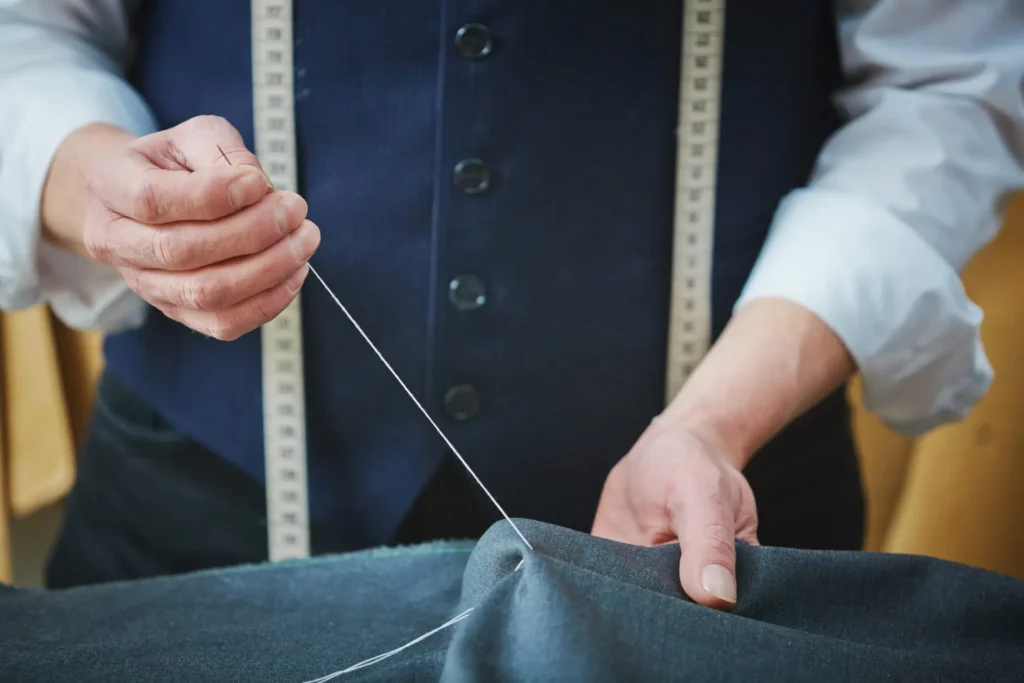
When you shop with awareness (read: not panic-buying two days before), you can snag incredible deals on premium brands and invest the savings into proper alterations. SSENSE’s end-of-season sales regularly feature 40-60% off designers like AMI, Thom Browne, and Saint Laurent – but only if you plan ahead.
Smart Shopping Timeline:
- 6 weeks before: Start browsing, set price alerts
- 4 weeks before: Make purchases during sales
- 2 weeks before: Get everything tailored
- 1 week before: Final fittings and steaming
This approach has saved me hundreds while building a wardrobe that works for multiple occasions.
Partner Coordination Without Looking Like Twins
Want to impress your date and make shopping easier? Ask what they’re wearing. This isn’t about matching – it’s about complementing. When you know your partner is wearing a butter yellow dress, you can avoid showing up looking like the guardian of Curious George.
The coordination sweet spot is finding a neutral base and using accessories for color connection. Think:
- Navy blazer + yellow pocket square instead of a yellow shirt
- Charcoal suit + yellow tie instead of a yellow blazer
- Black shoes + yellow socks for subtle coordination
This strategy actually shrinks your options in the best way – instead of staring at endless possibilities, you’re shopping with purpose. Plus, these neutral pieces work for future weddings with different color schemes.
Building vs. Buying: The Smart Wedding Wardrobe
The goal isn’t to buy new outfits for every wedding – it’s to build a foundation that adapts. Here’s what’s worth the investment vs. what you can save on:
Worth the Splurge (When on Sale):
Tailored Blazers – A well-fitted navy blazer works for cocktail hours, semi-formal dinners, and can be dressed down for casual receptions. Look for discounted options at Nordstrom during their seasonal sales.
Quality Dress Shoes – Black oxfords and brown loafers cover 90% of wedding scenarios. Cole Haan on Amazon often has significant markdowns on styles that photograph well and last for years.
Versatile Trousers – Well-tailored dress pants in navy and charcoal can pair with different blazers for varied looks.
Smart Saves:
Seasonal Pieces – That linen shirt for summer weddings? Buy it in September when retailers are clearing inventory for next year’s wedding season.
Statement Accessories – Pocket squares, tie clips, and colorful socks can completely change an outfit’s vibe without the investment of new clothing.
Formal Rentals – For true black-tie events (especially destination weddings), rental makes more sense than buying a tuxedo you’ll wear twice.
The Re-Wear Strategy
The best wedding guest purchases are the ones that integrate seamlessly into your regular wardrobe. That navy blazer from the farm wedding? It’s now my go-to for client dinners. The brown leather loafers from the cocktail reception? Perfect for weekend brunches.
Styling the same blazer for different occasions:
- Wedding: Navy blazer + white dress shirt + patterned tie
- Work: Same blazer + light blue shirt + no tie
- Weekend: Same blazer + white t-shirt + dark jeans
This approach transforms wedding shopping from a necessary expense into a wardrobe investment.
The Bottom Line
Wedding guest fashion in 2025 requires strategy, not just spending. The couples getting married are putting thought into their dress codes – they deserve guests who put thought into following them. But that doesn’t mean going broke for someone else’s special day.
Shop smart, tailor everything, coordinate thoughtfully, and build pieces that work beyond the reception. Your bank account (and your closet) will thank you.
What’s your wedding guest shopping strategy? Have you found any pieces that work for multiple dress codes?